Mesh Networks Explained
The Limitations of a Single Router
Traditional home networks rely on a single router to broadcast a signal. Even with perfect central placement, a single point of broadcast struggles in homes larger than 2,500 square feet, homes with multiple floors, or homes built with dense plaster and lath.
In the past, people used "range extenders." Extenders take the existing signal and repeat it, but this halves the bandwidth. You get coverage, but at terrible speeds. Mesh networks are the modern alternative.
How Mesh Systems Work
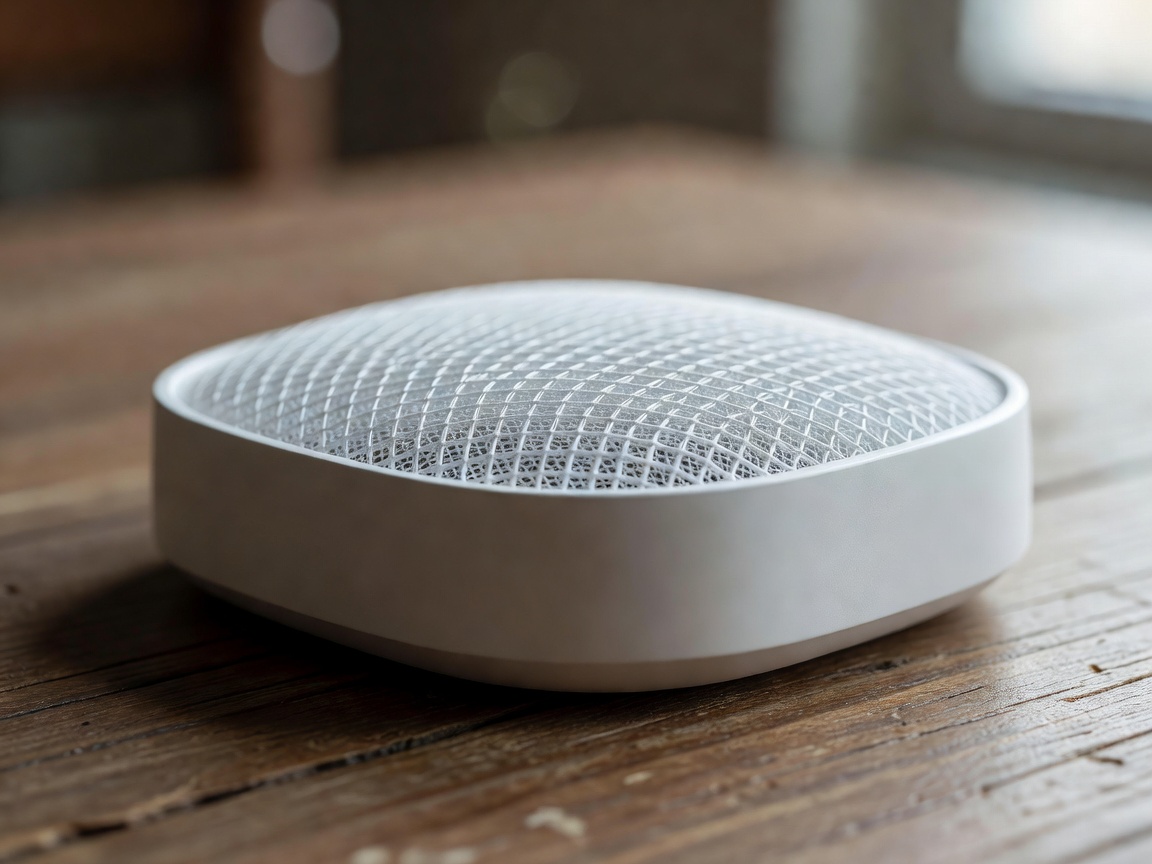
A mesh network consists of a main router that connects to your modem, and a series of satellite nodes placed around the house. They all share the same network name (SSID) and password.
Seamless Handoff
Unlike extenders, mesh systems use intelligent routing. As you walk from the living room to the bedroom while on a video call, the system invisibly hands off your device to the nearest node without dropping the connection.
Wired Backhaul: The Ultimate Setup
If a mesh node relies entirely on wireless signals to talk to the main hub, it still loses a bit of speed over distance. The absolute gold-standard for home networking is called a "wired backhaul."
This involves running physical Ethernet cables from the main router to the satellite nodes. The nodes then broadcast perfectly pristine, full-speed WiFi to their local rooms, completely bypassing wireless interference between the nodes.
Next: Essential Security Tweaks